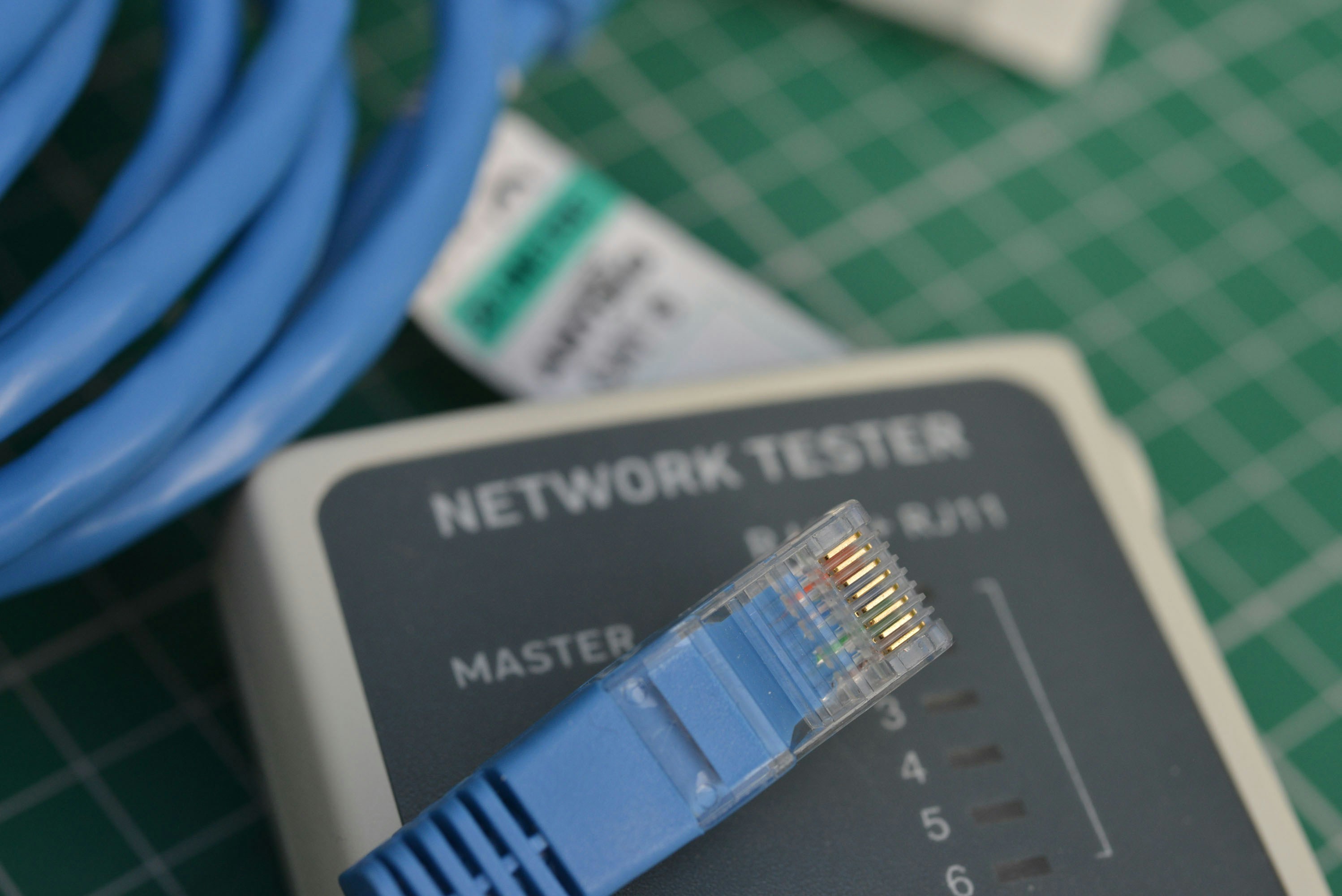
Networking
Helping everyone stay connected
A computer network is a group of interconnected devices that can communicate with each other. This includes computers, servers, routers, and other hardware. The primary purpose of a network is to share resources and information. This allows for the exchange of data which helps improve efficiency and collaboration among users. This can include various applications like email, file sharing, and internet browsing.
Network Terminology
Networking involves various terminologies that are essential for understanding how networks operate. Some key terms include:
- Network: A collection of computers, servers, mainframes, network devices, and other devices connected to one another for sharing data and resources.
- Router: A device that forwards data packets between computer networks.
- Switch: A device that connects devices within a single network and uses MAC addresses to forward data to the correct destination.
- IP Address: A unique address assigned to each device on a network, used for identifying and locating devices.
- Bandwidth: The maximum rate of data transfer across a network path.
- Networking Devices: Hardware components that facilitate communication between devices on a network, including routers, switches, and access points.
Computer Network Architecture
Computer network architecture refers to the design and structure of a network. It encompasses the physical and logical layout of the network, including the hardware components, software protocols, and communication methods used. Key aspects of network architecture include:
- Client-Server Model: A distributed application structure that partitions tasks between service providers (servers) and service requesters (clients).
- Peer-to-Peer Model: A decentralized network architecture where each node can act as both a client and a server.
- Network Topology: The arrangement of different elements (links, nodes, etc.) in a computer network. Common topologies include star, ring, and mesh.
- Protocols: Rules and conventions for communication between network devices. Common protocols include TCP/IP, HTTP, and FTP.
Conclusion
In conclusion, understanding computer network architecture is crucial for designing and managing efficient networks. By grasping the key concepts and components involved, IT professionals can create robust network infrastructures that meet the needs of users and organizations.
Bandwidth Usage
Here we have provided a tool to estimate your bandwidth usage based on your internet speed and usage time.
